

(Image credit: Getty Images)
Homeowners today are sitting on a historic amount of real estate wealth. Americans collectively hold about $17.3 trillion in home equity, a level not seen in decades.
At the same time, borrowing costs tied to that equity have begun to ease. Many home-equity loans, HELOCs and cash-out refinances have recently dipped below 8%, after peaking much higher during the rate-hike cycle.
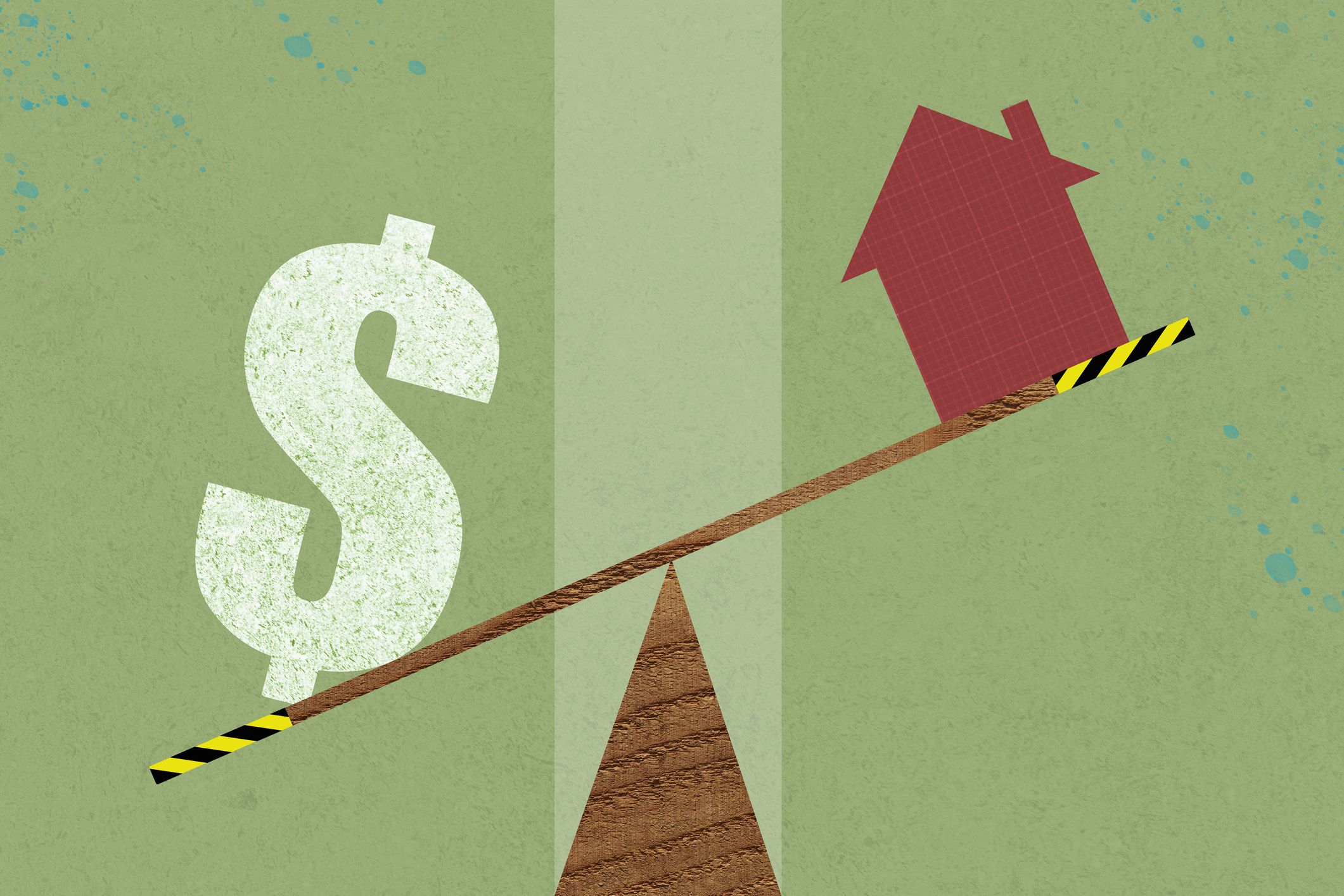
With 2026 approaching, a year that could bring both lower interest rates and tax-law changes, many homeowners are weighing their options. Should they tap their equity now, or wait in hopes of better savings later? Here is how to think about the trade-offs.
From just $107.88 $24.99 for Kiplinger Personal Finance
Become a smarter, better informed investor. Subscribe from just $107.88 $24.99, plus get up to 4 Special Issues
CLICK FOR FREE ISSUE
Sign up for Kiplinger’s Free Newsletters
Profit and prosper with the best of expert advice on investing, taxes, retirement, personal finance and more – straight to your e-mail.
Profit and prosper with the best of expert advice – straight to your e-mail.
When borrowing now makes sense
Pulling equity out before the year ends can be a smart move in several scenarios, especially if you’re using funds strategically. Here are a few reasons when tapping your home’s equity may make sense.
You’re planning a renovation or essential home project.
If your roof, HVAC system or major appliances are nearing the end of their lifespan, tapping equity can be far more affordable than turning to high-interest credit cards or personal loans. Even slightly lower home-equity rates can translate into substantial long-term savings on large projects.
You’re consolidating high-interest debt.
Credit card APRs regularly sit above 20%, so even a home-equity loan in the 7% range can slash interest costs. For disciplined borrowers who won’t fall back into high-interest balances, tapping equity can serve as a true reset for their budget.
You want flexibility and expect rates to fall.
A variable-rate HELOC (home equity line of credit) lets you borrow only what you need, when you need it, and you’ll only pay interest on the amount drawn. If market rates continue to decline into the new year, your HELOC payments could adjust downward accordingly.
You’re confident in long-term home value and stable cash flow.
If your income is steady and your local housing market remains resilient, borrowing today may offer a healthy balance of affordability and liquidity without adding unnecessary financial strain.
Why waiting could be smarter and what’s at stake
Of course, patience can pay off, especially if rate forecasts hold. Here are a few reasons you may want to wait before tapping your home’s equity.
Additional rate cuts may lower borrowing costs.
Some analysts expect the Fed to continue trimming rates into 2026. If that plays out, fixed-rate home-equity loans and even cash-out refinances could become cheaper next year. Shaving even half a percentage point off a large loan can save thousands over time.
Fixed-rate borrowers stand to gain the most by waiting.
Unlike HELOCs, which can adjust downward as rates fall, fixed-rate loans require you to lock in a rate at closing. If you’re planning a major home improvement project next year, delaying could give you more room to secure a better deal.
But waiting isn’t without risk, since your home’s value or local market conditions could shift. In some markets, tighter lending standards or shifts in demand could make equity borrowing more restrictive over time. Unexpected expenses can also come up. If a sudden repair or financial emergency hits, you may be forced to borrow during a less favorable window.
Waiting can save you money, but only if market conditions move in your favor and your financial needs stay predictable.
If you haven’t taken out a home equity loan or HELOC yet, use our home equity tool below, powered by Bankrate, to compare rates you can get today:
Common mistakes homeowners make when tapping equity and how to avoid them
One of the biggest mistakes homeowners make when borrowing against their home is using the funds for non-essential or short-lived expenses like vacations, gifts or lifestyle upgrades. While tempting in the moment, these uses don’t build long-term value and often leave borrowers with years of additional debt.
Another common misstep is assuming HELOC rates will continue to fall. Variable-rate credit lines can be helpful for flexibility, but they’re also unpredictable. If rates rise again, monthly payments can climb quickly.
Homeowners also frequently borrow more than they truly need, simply because lenders approve larger credit limits. Taking the maximum available amount can put unnecessary pressure on your budget and increase overall risk.
To avoid these pitfalls, focus equity borrowing on essential financial goals like necessary home improvements or consolidating high-interest debt, choose the loan structure that aligns with your risk tolerance, and borrow only what’s needed to meet your objective.
Practical advice for homeowners evaluating their options
If you’re weighing whether to pull equity now or wait until 2026, take these steps to make a sound decision:
1. Calculate your current equity (realistically)
Review your latest mortgage balance and compare it with recent comparable sales in your area. Don’t rely solely on automated valuation tools since they can be overly optimistic.
2. Clarify your purpose
Equity borrowing makes the most sense when it strengthens your financial health: increasing home value or lowering interest costs. If the purpose is discretionary, it’s better to pause.
3. Shop aggressively for a lender
Rates, closing costs and terms vary widely. Don’t automatically default to your current mortgage provider. A difference of even 0.25% can significantly affect long-term cost. It pays to shop around for a mortgage lender, since each lender may offer different rates, fee structures and support.
4. Choose the right loan structure for your personality and goals
A HELOC works well for gradual projects or flexible cash needs because you can draw funds as you go.
A home-equity loan suits borrowers who want predictable monthly payments and a fixed repayment timeline.
5. Run the numbers before committing
Estimate monthly payments, total interest costs and the potential tax benefits. Under current IRS rules, interest on home-equity debt is tax-deductible only when the funds are used for qualifying home improvements. That’s worth factoring into your calculations.
Tapping your home equity before 2026 can be a strategic way to unlock lower-cost financing, but only if the timing aligns with your broader financial goals. Borrowing now offers certainty and flexibility, especially for homeowners facing immediate needs or high-interest debt.
Waiting, meanwhile, may yield better rates, but also carries risks tied to home prices, market conditions and unforeseen expenses.
The right move depends on your financial stability, long-term plans and comfort with rate fluctuations. Approach the decision carefully, run the numbers, and choose the option that delivers the best balance of cost, stability and opportunity for your household.
