
(Image credit: Getty Images)
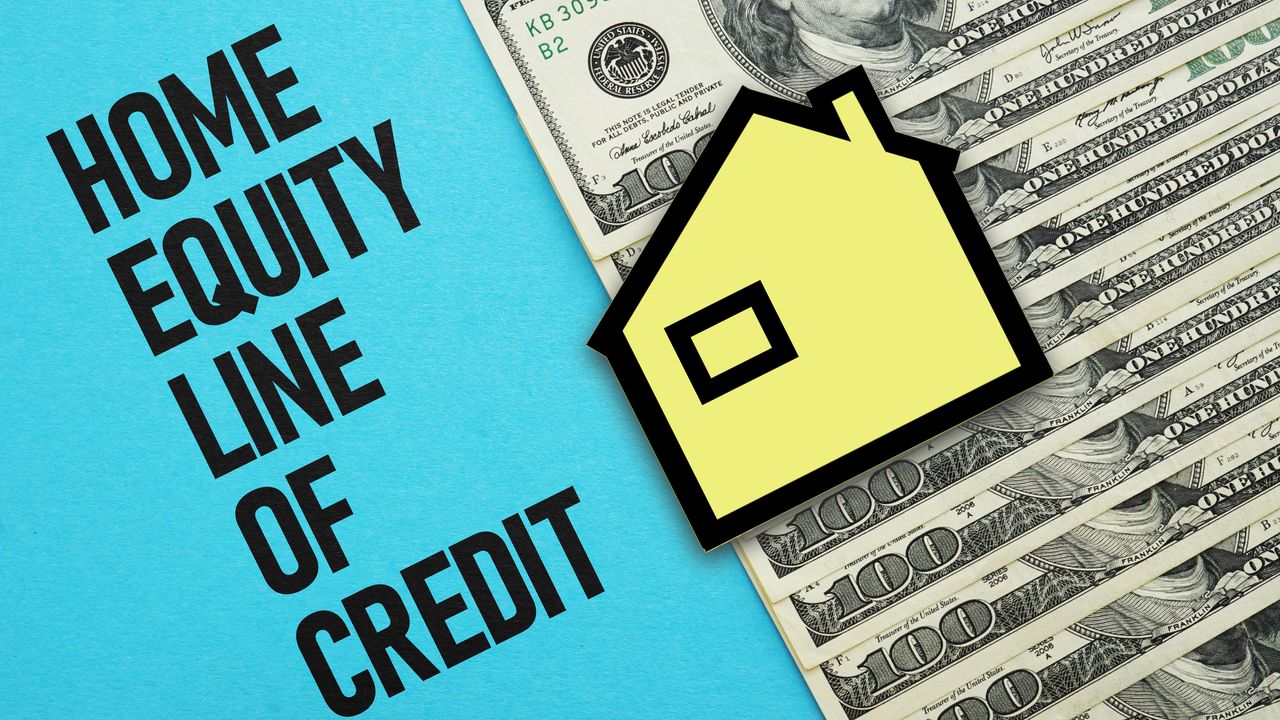
With a home equity line of credit, or HELOC, you can use your home’s equity to cover costs like renovations, education or emergency expenses. With Americans collectively holding about $17.3 trillion in home equity, a level not seen in decades, many homeowners now have more borrowing power than they realize.
A HELOC’s flexibility is appealing, but your monthly payment can shift based on your credit, loan terms and interest rate. Understanding how those factors work is key before tapping your equity.
Here’s what a $50,000 HELOC may cost each month and how to decide if this type of financing fits your needs.
From just $107.88 $24.99 for Kiplinger Personal Finance
Become a smarter, better informed investor. Subscribe from just $107.88 $24.99, plus get up to 4 Special Issues
CLICK FOR FREE ISSUE
Sign up for Kiplinger’s Free Newsletters
Profit and prosper with the best of expert advice on investing, taxes, retirement, personal finance and more – straight to your e-mail.
Profit and prosper with the best of expert advice – straight to your e-mail.
What affects your HELOC payment?
Many factors affect your HELOC payment, so it’s important to consider your specific situation and how these factors will impact your rates:
- Credit score: If you have a high credit score, you’re more likely to qualify for a lower HELOC interest rate. If your credit score is lower, though, you’ll probably have a higher interest rate. Keep in mind that even if you have a HELOC already, if your credit score drops during the loan term, your lender might increase your interest rate because they consider you a higher-risk borrower.
- HELOC term: Your HELOC term will affect your rates, too. Shorter terms usually carry lower interest rates, and longer terms will typically have higher interest rates. Most HELOCs consist of a draw period ranging from five to 10 years, during which you make interest-only payments. The repayment period can last 10 to 20 years, and during that period, you’ll be repaying the principal and interest, meaning your payments will increase.
- Loan-to-value ratio: Your loan-to-value ratio compares the amount of your loan to your home’s appraised value. The lower this ratio is, the less risky lenders consider you to be, meaning you’re likely to get a lower interest rate. According to First Merchants Bank, you’ll need a loan-to-value ratio of 90% or lower to qualify for a HELOC. For the best interest rates, your loan-to-value ratio should be 80% or less.
- Prime interest rate: Your HELOC interest rates are based on the prime rate, which is affected by the Federal Reserve’s actions. According to the Wall Street Journal, the average HELOC interest rate as of November 11 is 7.82%.
- Lender margins: In addition to the prime rate, each lender can add their own margins to determine your final interest rate. Lender margins can be negative or positive, and they vary from lender to lender. As a result, it’s best to shop around and compare quotes from multiple lenders before taking out a HELOC.
- Variable rate adjustments: Most HELOCs have a variable interest rate, so your interest rate can change throughout the term of your loan. As the prime rate fluctuates, your interest rate could increase or decrease, too.
- Rate cap: Many lenders implement an interest rate cap to protect you if interest rates decrease dramatically. Often, that cap is around 18%, but that can vary depending on your lender.
(Image credit: Getty Images)
How much a $50,000 HELOC costs per month
Here’s an example of what a $50,000 HELOC could cost based on current rates and typical loan terms. The United Nations Federal Credit Union HELOC payment calculator makes this easy.
If you have excellent credit and a low loan-to-value ratio, you might qualify for an interest rate around 7.82%. With a 10-year draw period followed by a 20-year repayment period, your payments would begin as interest-only and later shift to principal and interest.
The table below outlines how those payments break down:
Swipe to scroll horizontallyRow 0 – Cell 0
Example Details
Amount
Row 1 – Cell 0
Loan amount
$50,000
Row 2 – Cell 0
Interest rate
7.82%
Row 3 – Cell 0
Draw period
10 years
Row 4 – Cell 0
Repayment period
20 years
Row 5 – Cell 0
Monthly payment during draw period (interest only)
$325.83
Row 6 – Cell 0
Monthly payment during repayment period (principal + interest)
$412.64
Note: These payments don’t account for potential changes from a variable interest rate. Your actual monthly cost may increase or decrease over time.
HELOC vs. home equity loan: What’s the difference in monthly cost?
Like a HELOC, a home equity loan lets you borrow against your home’s equity, but the structure is different. A HELOC gives you flexibility to borrow only what you need during the draw period, while a home equity loan provides a single lump sum upfront.
Home equity loans also come with fixed interest rates, which means your monthly payment stays the same throughout the life of the loan. That predictability creates a very different cost profile compared with a HELOC’s variable rate and interest-only draw period.
Because of those differences, your monthly cost on a home equity loan may be more stable, while a HELOC’s payment may rise or fall over time.
Swipe to scroll horizontallyRow 0 – Cell 0
HELOC
Home equity loan
Interest rate
Variable interest rate may increase or decrease during your loan term.
Fixed interest rate stays the same throughout your entire loan term.
Interest paid
Your interest is unpredictable and could change over time.
You’ll know exactly how much you’ll pay in interest before you take out the loan.
Payments
Monthly payments can vary with rate changes. During the draw period, payments are typically interest only.
Monthly payments are predictable and consistent, including principal and interest from the start.
Use the tool below to explore some of today’s top home equity offers, powered by Bankrate:
Pros and cons of borrowing $50,000 from your home equity
There are several pros and cons to taking out a $50,000 HELOC. Its biggest advantage is flexibility. During the draw period, you can borrow, repay and borrow again up to your credit limit. For example, if your limit is $50,000, you could borrow the full amount, repay $15,000 and then borrow that $15,000 again whenever you need it.
This revolving structure makes a HELOC useful when you’re unsure how much you’ll ultimately need, such as when funding education costs or paying for a home upgrade or renovation.
During the draw period, another advantage of a HELOC is that your required payment typically covers only the interest, not the principal. You can choose to pay down the principal during this time, but the option to make interest-only payments keeps your initial costs lower. That trade-off does mean your principal and interest payments will be higher once the repayment period begins.
There are downsides to consider, too. Most HELOCs have variable interest rates, which can rise or fall throughout the loan term. Because your rate isn’t fixed, your monthly payment can change, and you’ll need to be prepared for potential fluctuations as the prime rate moves.
A HELOC also uses your home as collateral. If you’re unable to make the required payments, you could put your home at risk. It’s important to weigh that possibility carefully and make sure you’re comfortable with the long-term commitment.
When a $50,000 HELOC makes sense
A $50,000 HELOC can make sense in several situations. It’s often used for home improvements, particularly if the renovation is likely to increase your property’s value. It can also provide quick access to funds for large or unexpected expenses, such as medical bills, education costs or business startup needs.
A HELOC may also work as a debt consolidation tool. If you’re carrying multiple high-interest debts and qualify for a lower HELOC rate, you could use the line to pay those balances off and replace them with a single monthly payment. Just be mindful that HELOCs have variable interest rates and longer repayment periods, which could result in higher overall costs if rates rise.
As with any borrowing decision, it’s important to consider how predictable your expenses are and whether the flexibility of a HELOC aligns with your financial situation.
Tips before applying for a HELOC
If you decide a HELOC is right for you, it’s important to carefully shop around. Interest rates and rate caps can vary from lender to lender, so get multiple offers and compare them. Make sure that you understand all of the terms of the loan, and if you’re not clear on something, ask for more information.
A HELOC may be helpful in certain situations, but it’s not the right choice for everyone or every scenario. Consider the long-term affordability of this type of loan and make sure that you’re comfortable with the risks before you take out a HELOC.
